Category: religion
-
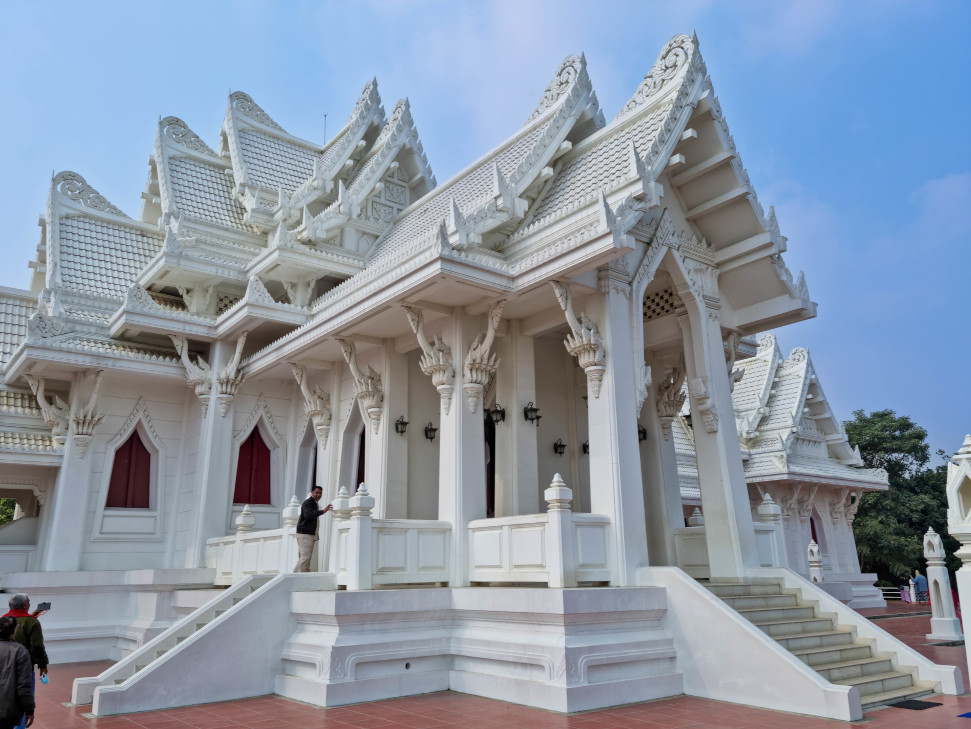
Royal Thai Monastery
Lumbini, Nepal. This monastery is funded by the government of Thailand. It’s build in the traditional wat-style (Thai Monastery style) architecture but built in shiny white marble. The blue-roofed meditation center close by and the white temple are examples of a fine architectural style.
-

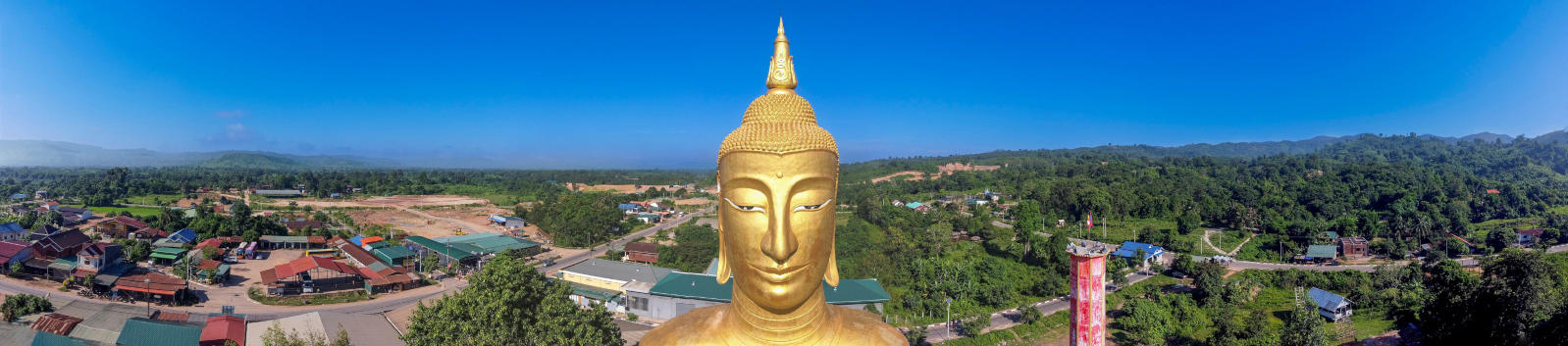
Myanmar Golden Temple
Lumbini, Nepal. This temple was constructed in the traditional Burmese style of architecture. When you enter the premises you need to remove your shoes and walk clockwise as if you were walking in a Buddha stupa. It’s a smaller version of the original Shwedagon Pagoda in Myanmar.
-
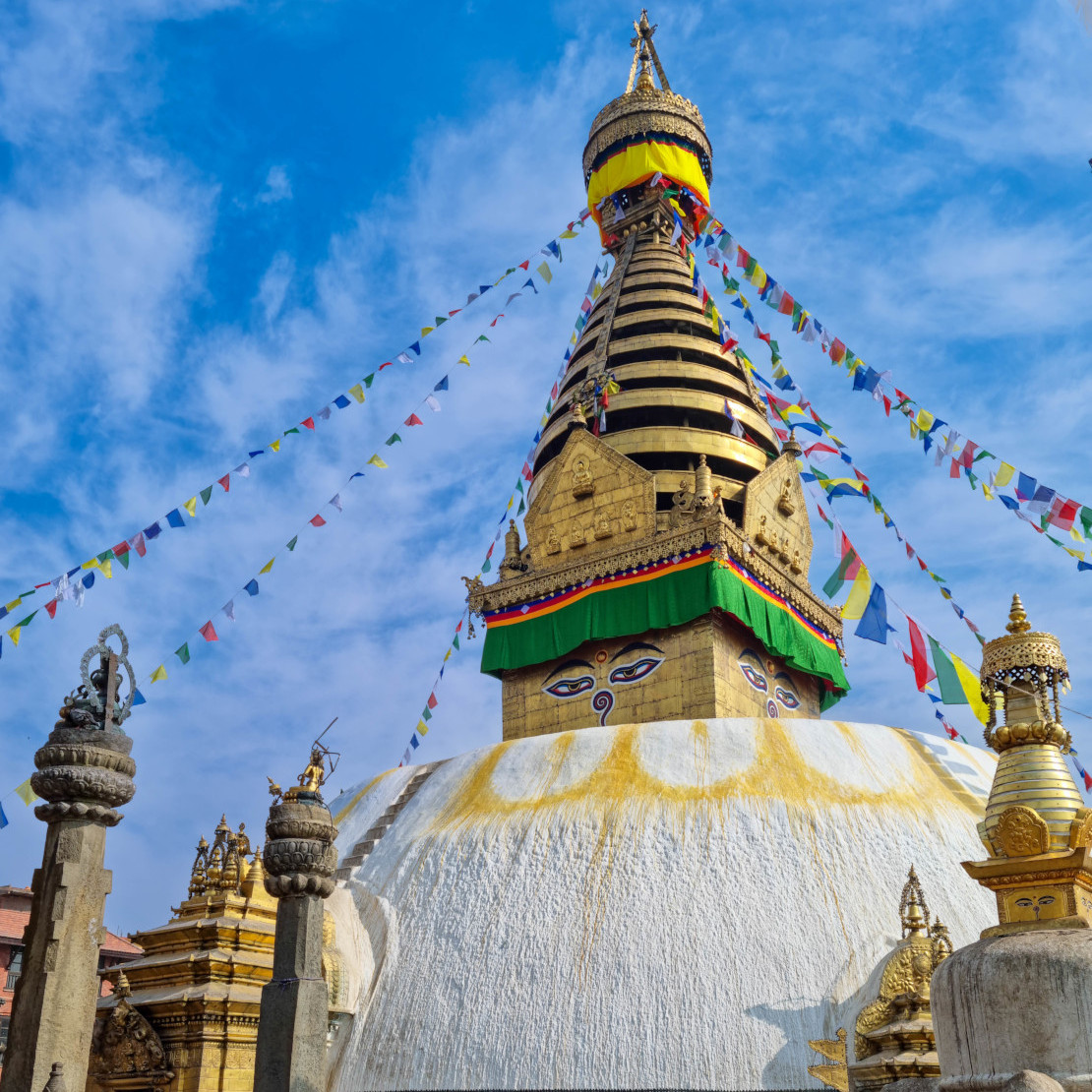
Swayamhunath Stupa
Resting on a hillock 3 km west of Kathmandu, Swayambhu (Swayambhunath in Tibetan) is one of the holiest Buddhist stupas in Nepal. It is said to have evolved spontaneously when the valley was created out of a primordial lake more than 2,000 years ago. This stupa is the oldest of its kind in Nepal and…
-

Templar’s Cathedral
In my previous life times (I have had dreams of my previous reincarnations, see also My Falcons as a reference), when I served in the Knights Templar as a military architect, I had to come through these places to expand or maintain castles and fortresses along the pilgrims routes. So this Templar Cathedral looked familiar…
-

St María Cathedral, León
Santa María de Regla de León Cathedral is a Catholic church, the episcopal see of the diocese of León in the city of León, Castile and León, north-western Spain, consecrated under the name of the Virgin Mary. It was the first monument declared by the Royal Order of Spain on August 28, 1844. Initiated in the 13th…
-
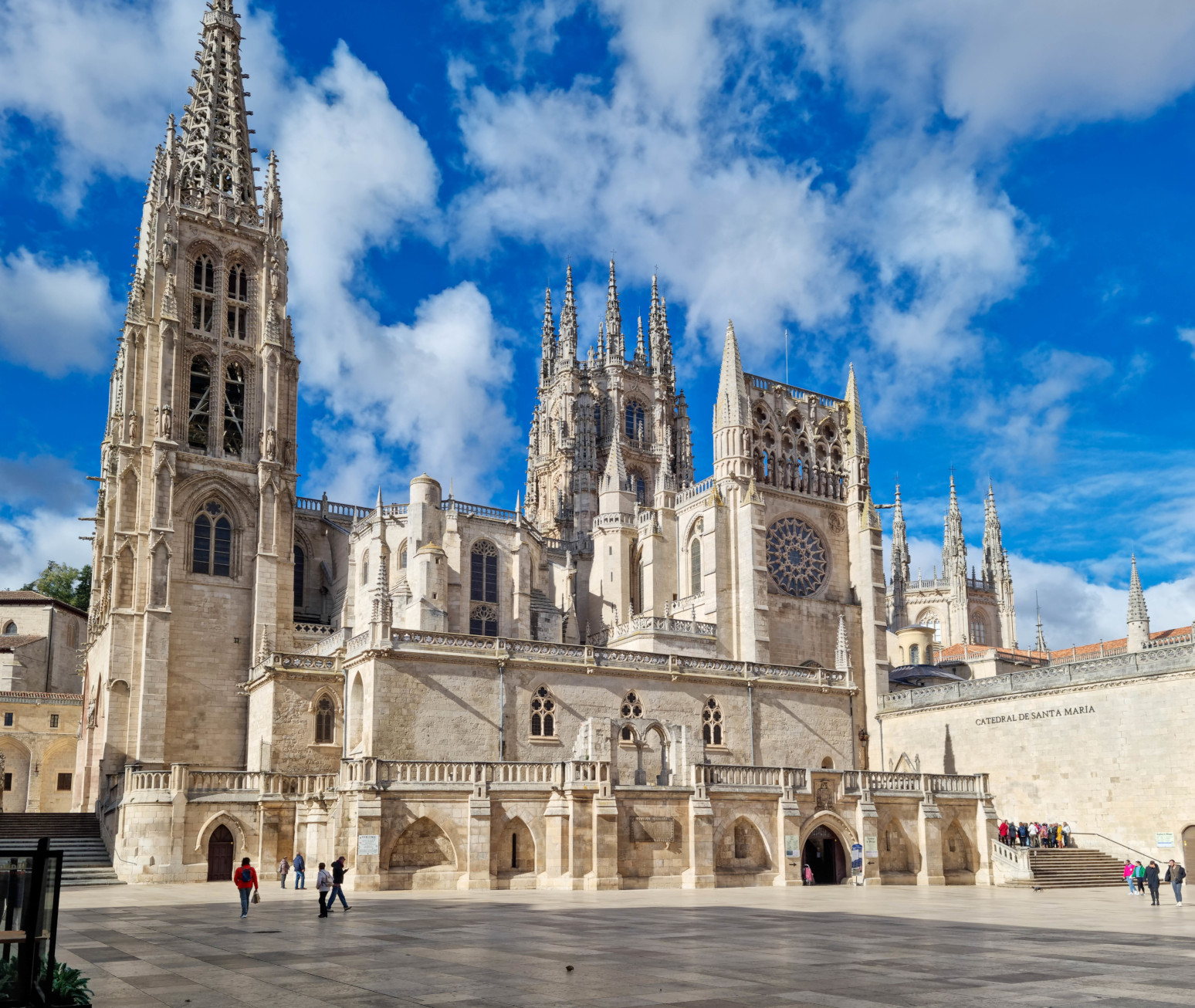
St María Cathedral, Burgos
Its official name is Santa Iglesia Catedral Basílica Metropolitana de Santa María de Burgos. Its construction began in 1221, in the style of French Gothic architecture and is based on a Latin cross. After a hiatus of almost 200 years, it went through major embellishments of great splendor in the 15th and 16th centuries: the…
-

St María Cathedral, Logroño
The Cathedral of Santa María de la Redonda is a co-cathedral located in Logroño, in La Rioja, Spain. The name “redonda” refers to the rounded shape of an earlier church on the site. It had the status of collegiate church from the 15th century when Logroño became a city. The church has two elaborately decorated…
-

St María Cathedral, Pamplona
Pamplona Cathedral (Santa María de la Asunción) is a Roman Catholic church in the archdiocese of Pamplona, Spain. The current 15th century Gothic church replaced an older Romanesque one. Archaeological excavations have revealed the existence of another two earlier churches. The Neoclassical facade was designed by Ventura Rodríguez in 1783. It has a 13th-14th-century Gothic…
-

Unknown Temple
One day, while I was driving my rented scooter I took the wrong turn,got lost, and end it up in a remote location where I found a mount of dirt burring an unknown temple. Angkor’s Jungle hide many surprises like this one, I felt like Indiana Jones. So there is still a lot of work…
-

Angkor Thom Gates
The main city of the Khmer Empire, Angkor Thom, was surrounded by water, walls and four main gates controlling direct access to the city as shown on the map above. These are three of the gates at Angkor Thom. Victory Gate (East Gate) Tonle Om (South Gate) West Gate
-

Angkor’s Museum
The museum looks empty, like it has been literally looted. The reason why is explained in detail in the video bellow. The 1000 Buddha Images Collection This is probably one of the best Buddha images exhibition in the world and the best this museum has to offer. To understand the Buddha images you need to…