Category: organization
-
Sarcophagi, Games
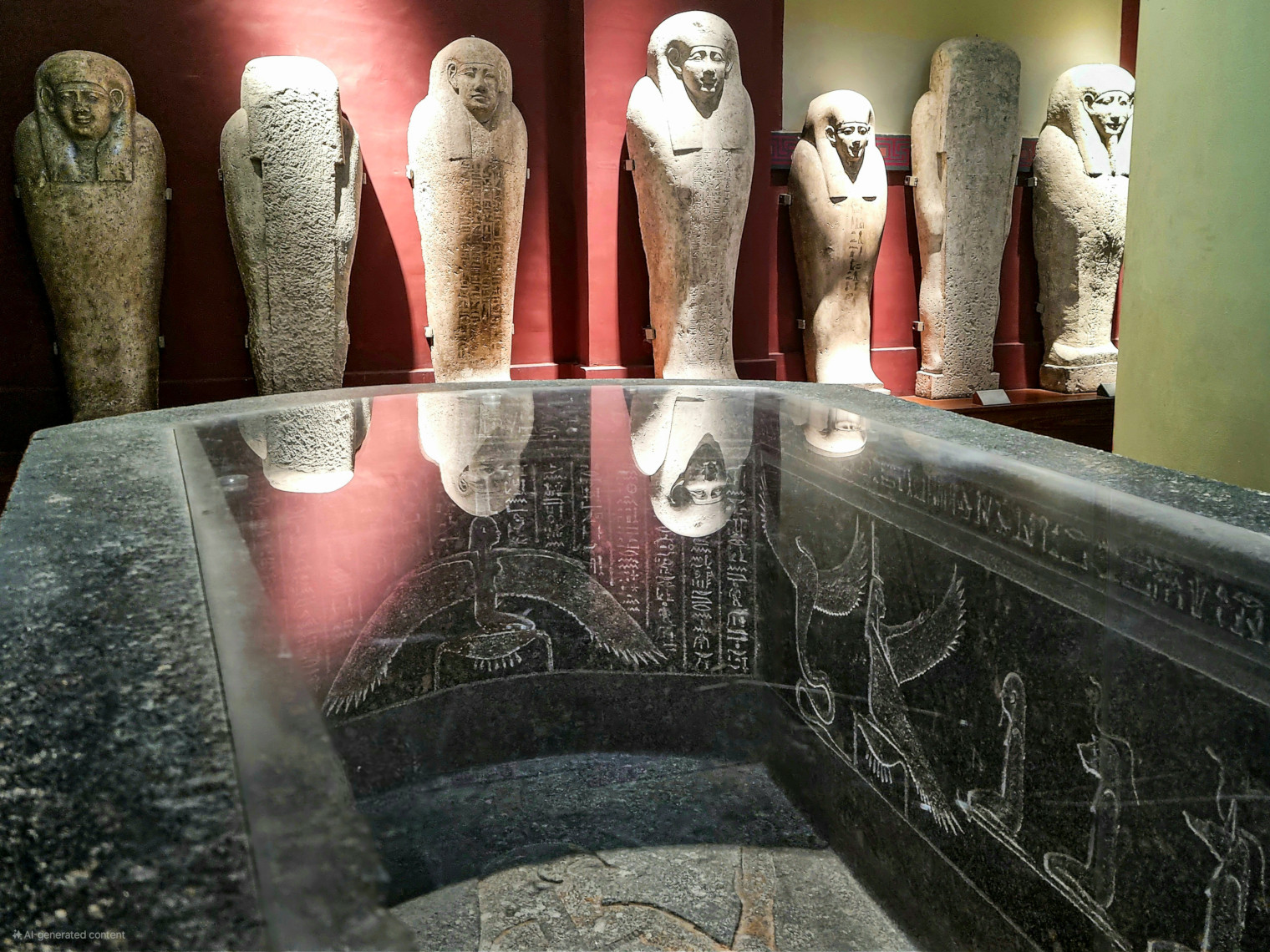
Journey to the Afterlife Despite the influence of foreign rule, the Egyptians preserved their ancient customs when preparing for eternal life. One such tradition was the decoration of anthropoid (human-shaped) sarcophagi according to a common theme – rebirth. Each sarcophagus represents the mummy form of the deceased, or the ‘Osiris form’, which he or she…
-
Limestone Statues, Amulets, Foundation Deposits, Bronze Statues
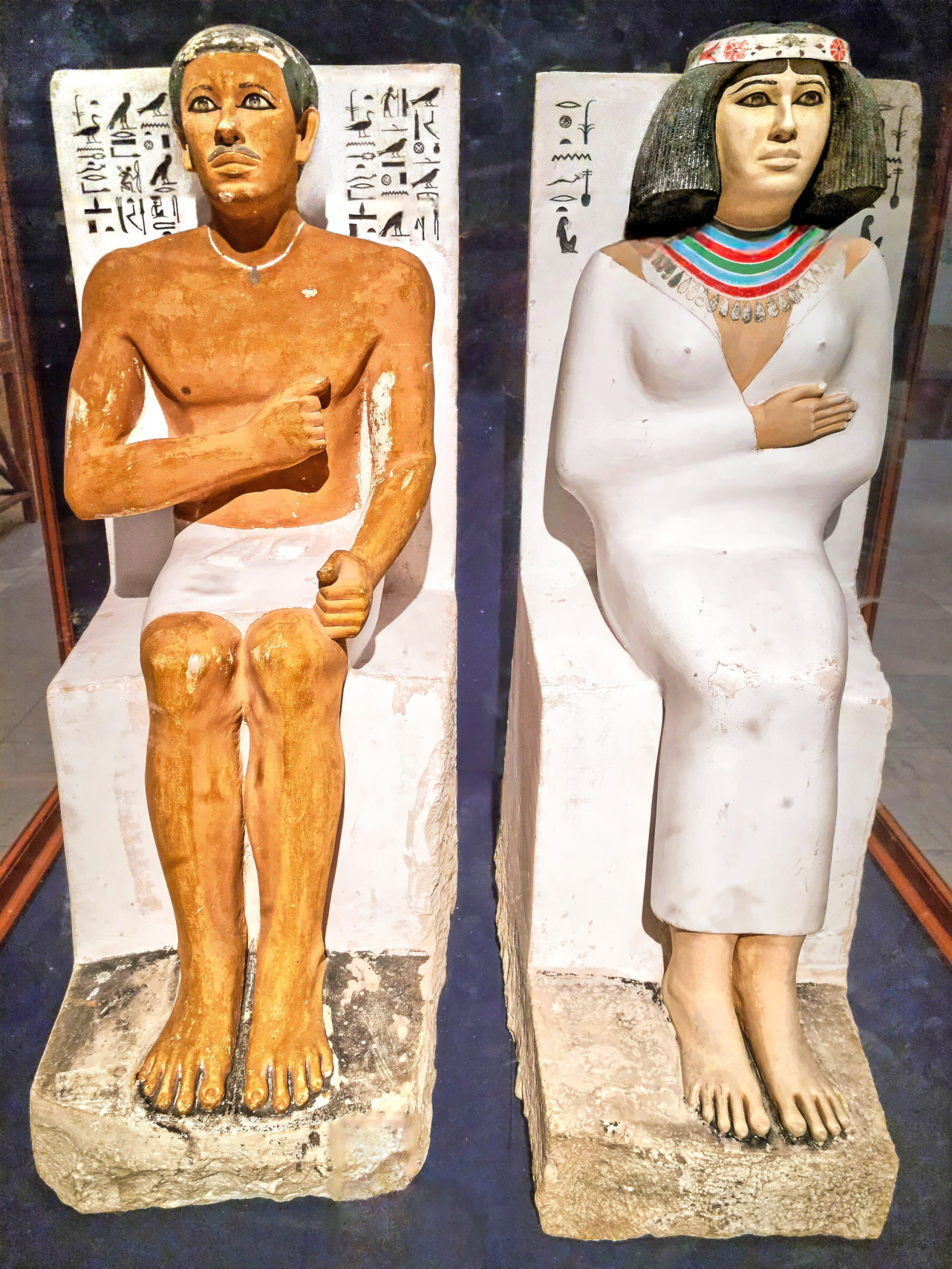
Ancient Egyptian statues of people often depicted individuals as healthy, fit, and in the prime of their lives. The statues were often created to protect and provide for deceased spirits. The primary purpose of most Egyptian sculpture was to represent the individual in death before Osiris, or in life and death before the deities of…
-

Yuya & Thuya, Special, Daily Life
Yuya and Thuya were ancient Egyptian nobles who lived during the mid-Eighteenth Dynasty of Egypt’s New Kingdom. The couple were from Akhmim, and held titles associated with the cult of the local god Min. Although non-royals, their daughter Tiye became the chief wife of Pharaoh Amenhotep III. They were buried in a private-style tomb in…
-

Gods, Cache Tombs Luxor, Priest of Anum, Burial Chamber
Ancient Egyptian deities are the gods and goddesses worshipped in ancient Egypt. The beliefs and rituals surrounding these gods formed the core of ancient Egyptian religion, which emerged sometime in prehistory. Deities represented natural forces and phenomena, and the Egyptians supported and appeased them through offerings and rituals so that these forces would continue to…
-

Ptolemaic, Woden Statuary, Cosmetics, Spinning Weaving & Sewing, Medical
The Ptolemaic Kingdom or Ptolemaic Empire was an Ancient Greek polity based in Egypt during the Hellenistic period. It was founded in 305 BC by the Macedonian Greek general Ptolemy I Soter, a companion of Alexander the Great, and ruled by the Ptolemaic dynasty until the death of Cleopatra VII in 30 BC. Reigning for…
-

The Egyptian Museum Cairo
UNESCO World heritage site The Museum of Egyptian Antiquities, commonly known as the Egyptian Museum, located in Cairo, Egypt, houses the largest collection of Egyptian antiquities in the world. It houses over 120,000 items, with a representative amount on display. Located in Tahrir Square in a building built in 1901, it is the largest museum…
-

Wat Pho
Also spelled Wat Po, is a Buddhist temple complex in Bangkok, Thailand. It is on Rattanakosin Island, directly south of the Grand Palace. Known also as the Temple of the Reclining Buddha, its official name is Wat Phra Chetuphon Wimon Mangkhalaram Rajwaramahawihan. The temple is first on the list of six temples in Thailand classed…
-

Unknown Temple
One day, while I was driving my rented scooter I took the wrong turn,got lost, and end it up in a remote location where I found a mount of dirt burring an unknown temple. Angkor’s Jungle hide many surprises like this one, I felt like Indiana Jones. So there is still a lot of work…
-

Angkor Thom Gates
The main city of the Khmer Empire, Angkor Thom, was surrounded by water, walls and four main gates controlling direct access to the city as shown on the map above. These are three of the gates at Angkor Thom. Victory Gate (East Gate) Tonle Om (South Gate) West Gate
-

Angkor’s Museum
The museum looks empty, like it has been literally looted. The reason why is explained in detail in the video bellow. The 1000 Buddha Images Collection This is probably one of the best Buddha images exhibition in the world and the best this museum has to offer. To understand the Buddha images you need to…
-

Ta Nei
End of 12th century Jayavarman VII Buddhist. In an isolated position to the north of Ta Keo. The main temple has four cruciform entrance gopuras in sandstone connected by galleries with walls in laterite and vaulted sandstone ceilings. inscriptions on door jambs give details of divinities to whom the temple was dedicated. Kudos to the…