Category: religion
-
St Peters Basilica & Square
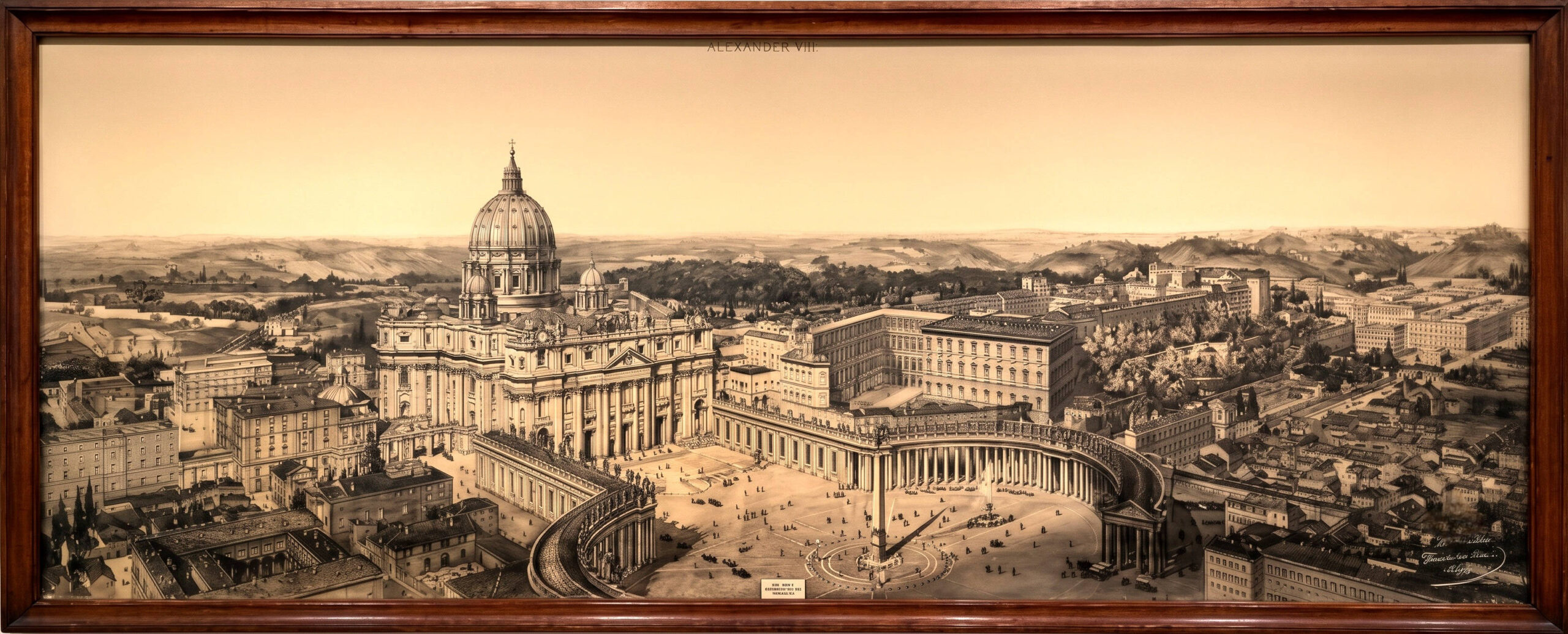
St. Peter’s Basilica, standing at the heart of Vatican City in Rome, is a monumental masterpiece of Renaissance and Baroque architecture and one of the largest churches in the world. Built over the burial site of St. Peter the Apostle, the current basilica took over a century to complete, drawing on the genius of master…
-
The Vatican
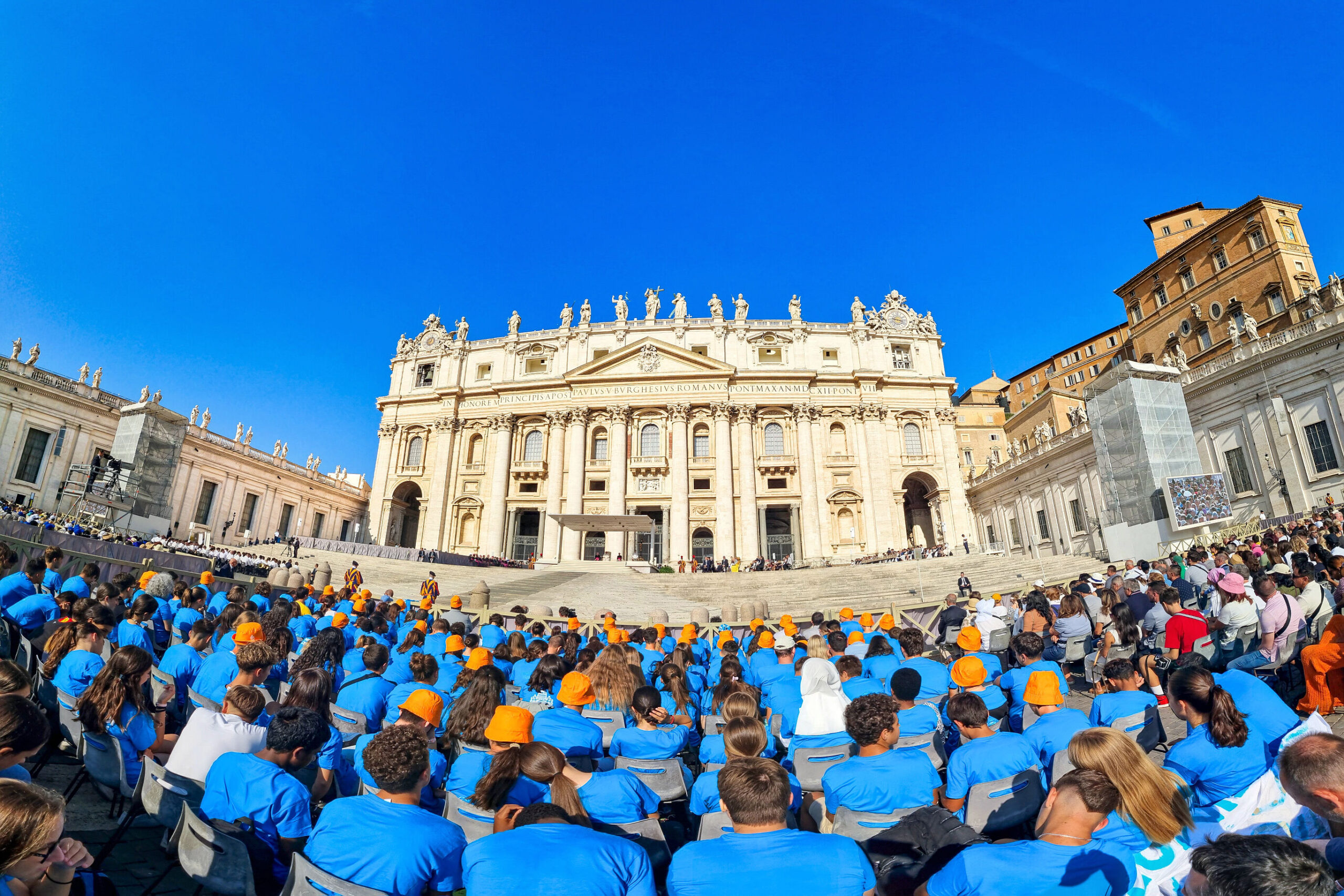
As the world’s smallest independent nation and the spiritual heart of the Roman Catholic Church, Vatican City holds a distinct honor in global heritage: it is the only entire country designated as a UNESCO World Heritage Site. Inscribed in 1984, this enclave within Rome represents an extraordinary synthesis of religion, art, and architectural brilliance spanning…
-
My Past Lives
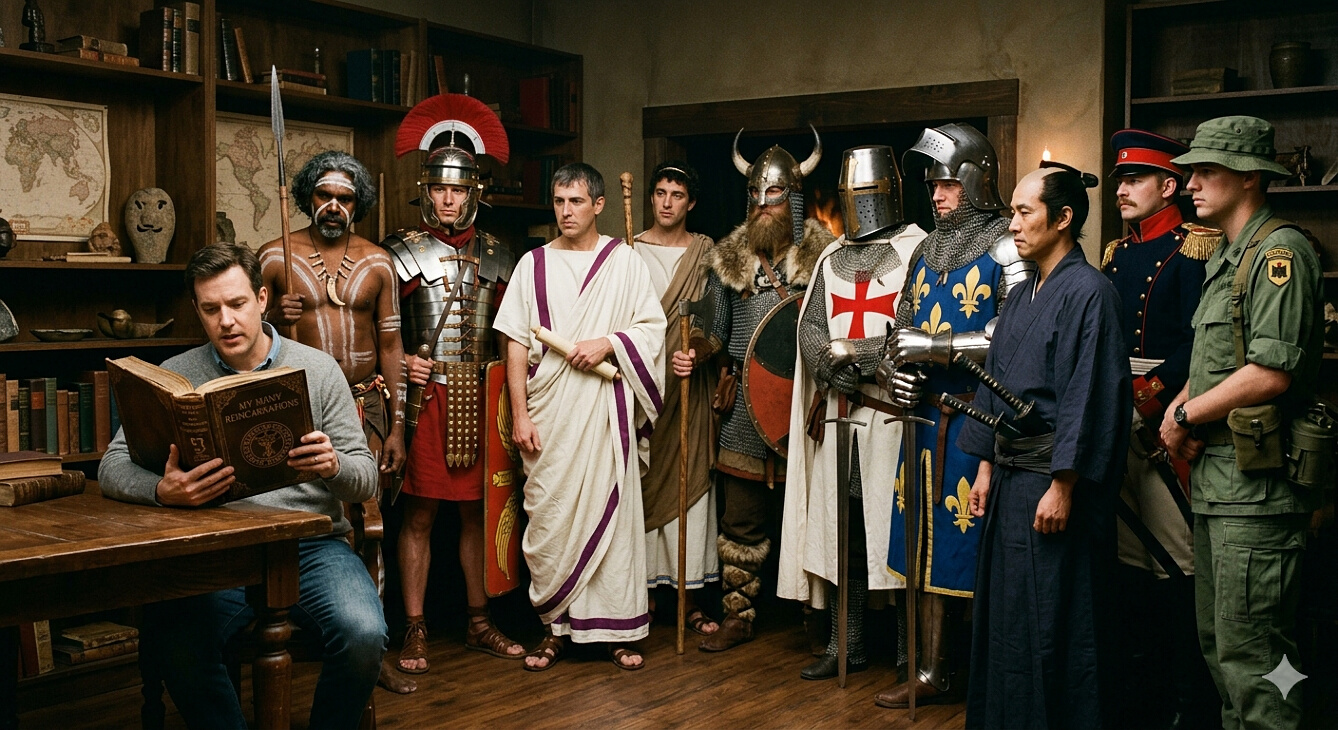
“My Past Lives” explores the concept of reincarnation and karma through a blend of personal narrative and creative AI-generated content. Using General George S. Patton Jr.’s belief in past lives as a historical precedent, Baragaño details his own perceived spiritual history, describing a primeval origin as an Indigenous Australian hunter during the Pleistocene epoch tracking…
-
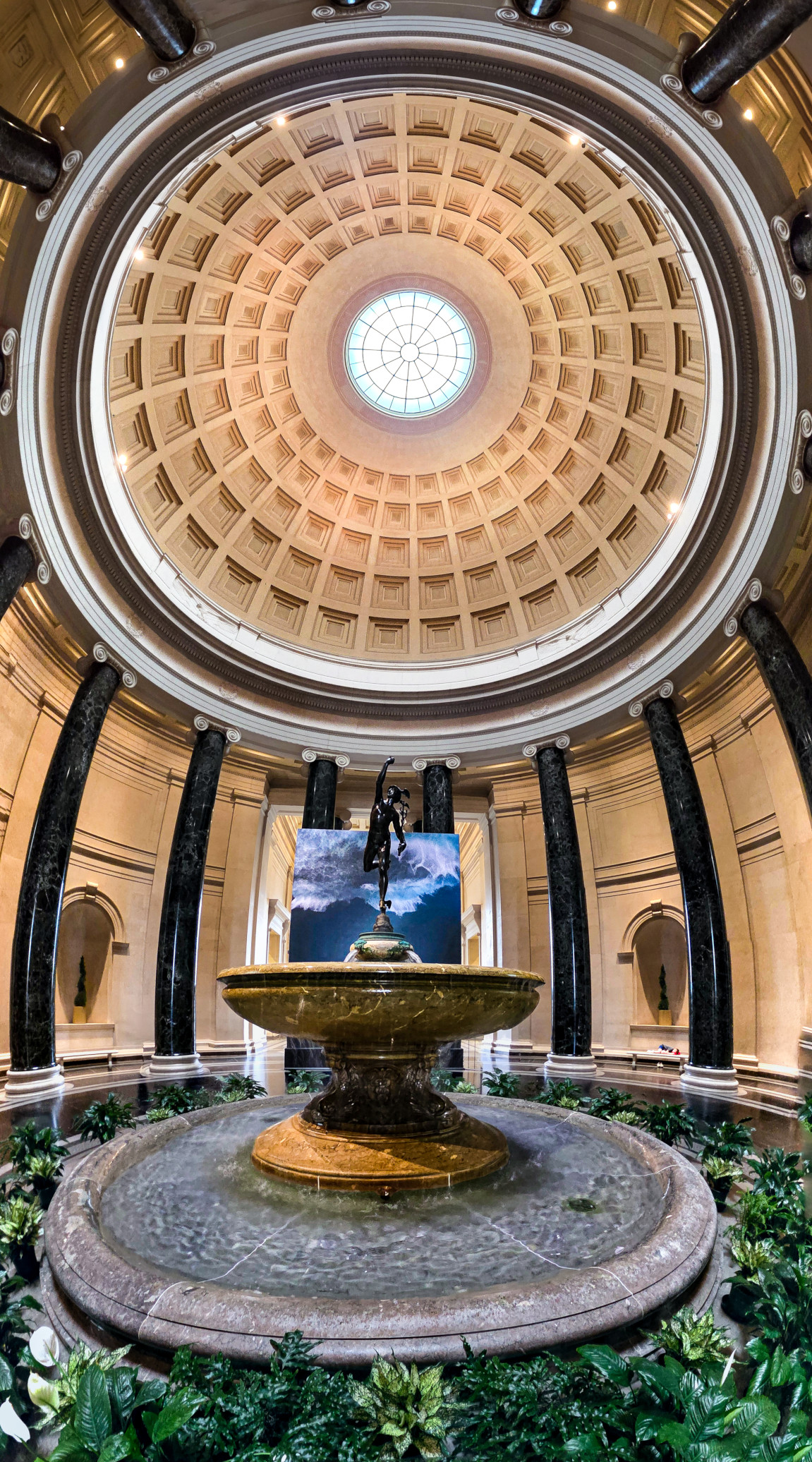
National Gallery of Art Remastered
The objective of this remastered collection is to present every artifact with absolute pristine clarity, as if it were newly painted, newly sculpted, or newly constructed effectively revitalizing the historic holdings of the National Gallery of Art.
-
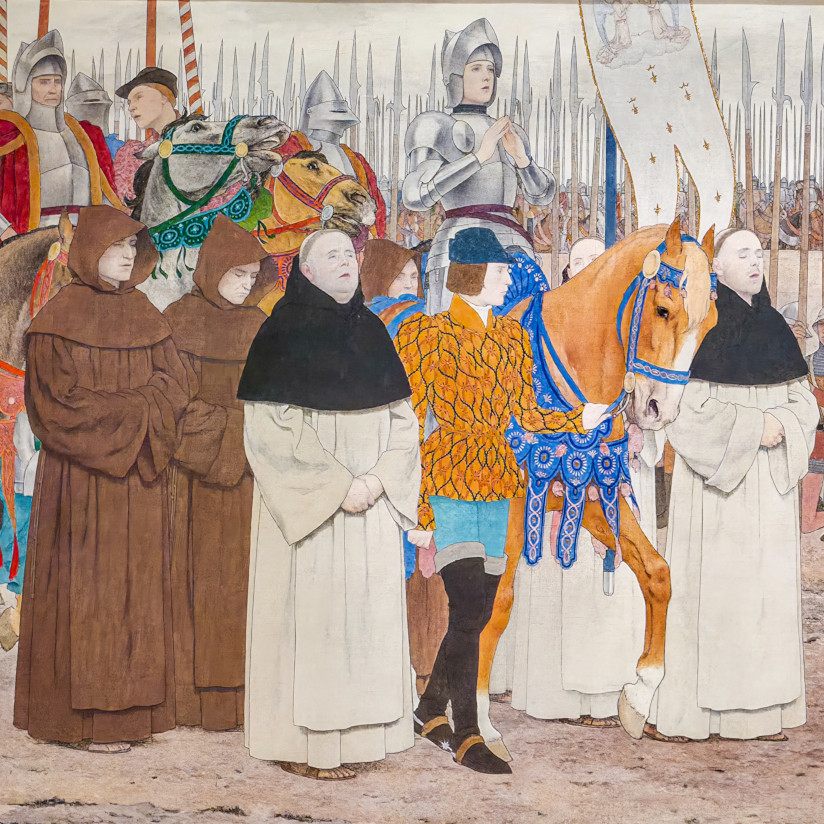
Louis Maurice Boutet de Monvel’s Joan of Arc Series Remastered
Beautifully rendered in vivid color and with an energetic use of line, this series of six large canvases was created by French painter and illustrator Louis Maurice Boutet de Monvel (1850–1913) and highlights key moments in the life of the medieval heroine Joan of Arc (c. 1412–1431). Originally conceived as large murals for a church…
-
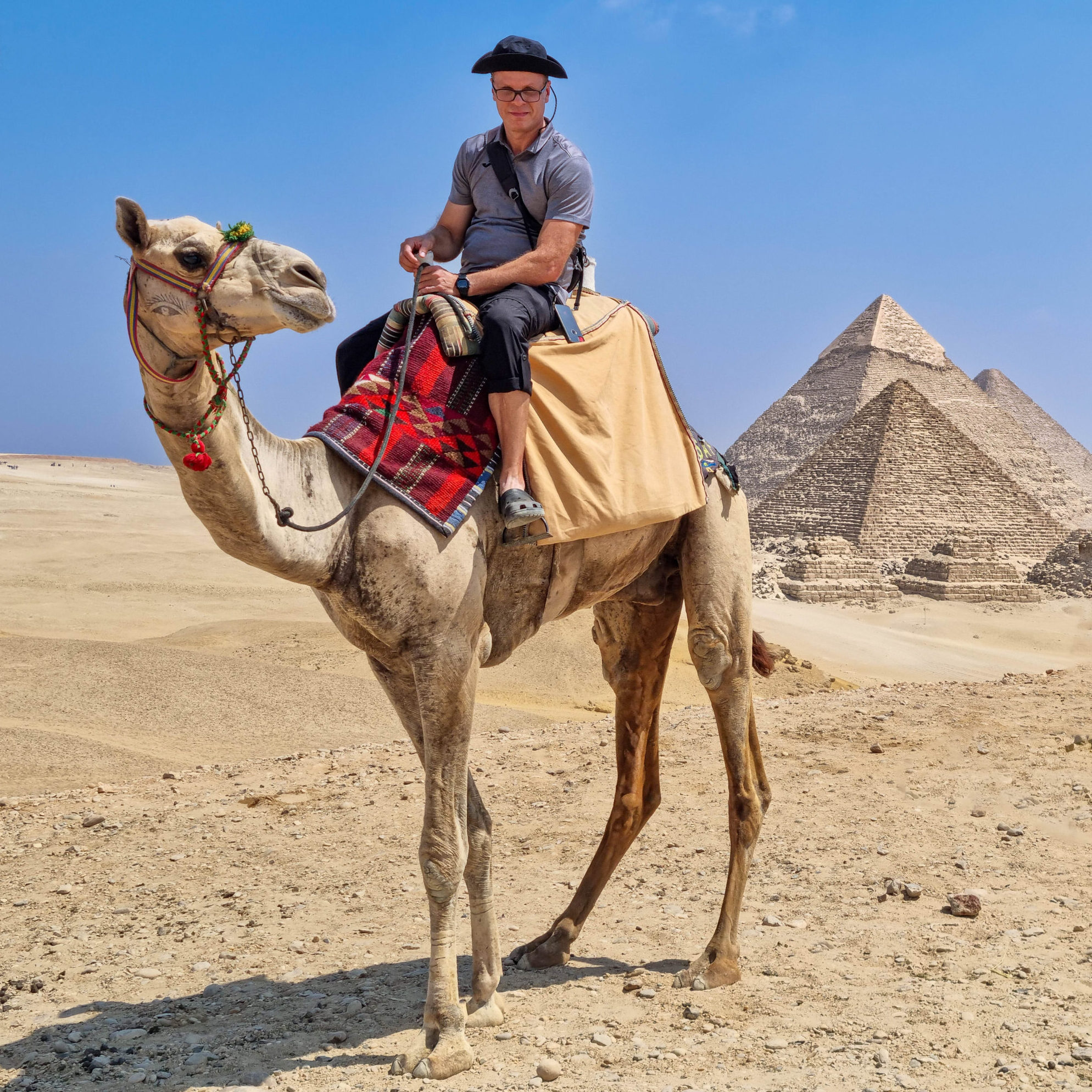
The Great Pyramid of Giza
UNESCO World Heritage Site The Great Pyramid of Giza is the largest Egyptian pyramid. It served as the tomb of pharaoh Khufu, who ruled during the Fourth Dynasty of the Old Kingdom. Built c. 2600 BC, over a period of about 26 years, the pyramid is the oldest of the Seven Wonders of the Ancient World,…
-
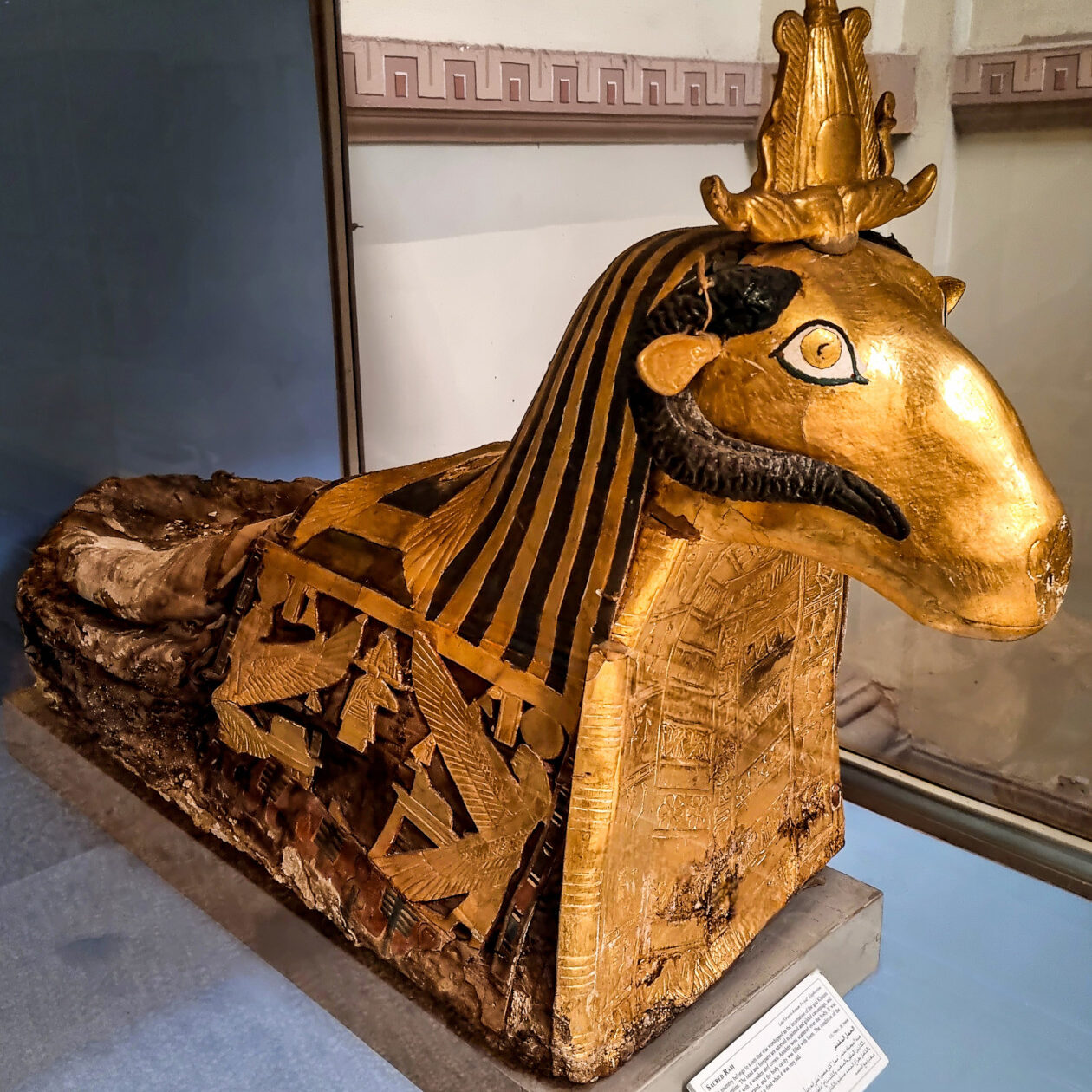
Granite Statues, Furniture, Jewelry, Animal Mummies
The Ancient Egyptians mummified animals as well as humans. There are four different types of animal mummies: first, pets buried with their owners; second, victual or food mummies that would provide sustenance for the owner throughout eternity; third, sacred animals; fourth, votive offerings. The four different types of animal mummies provide us with many insights…
-
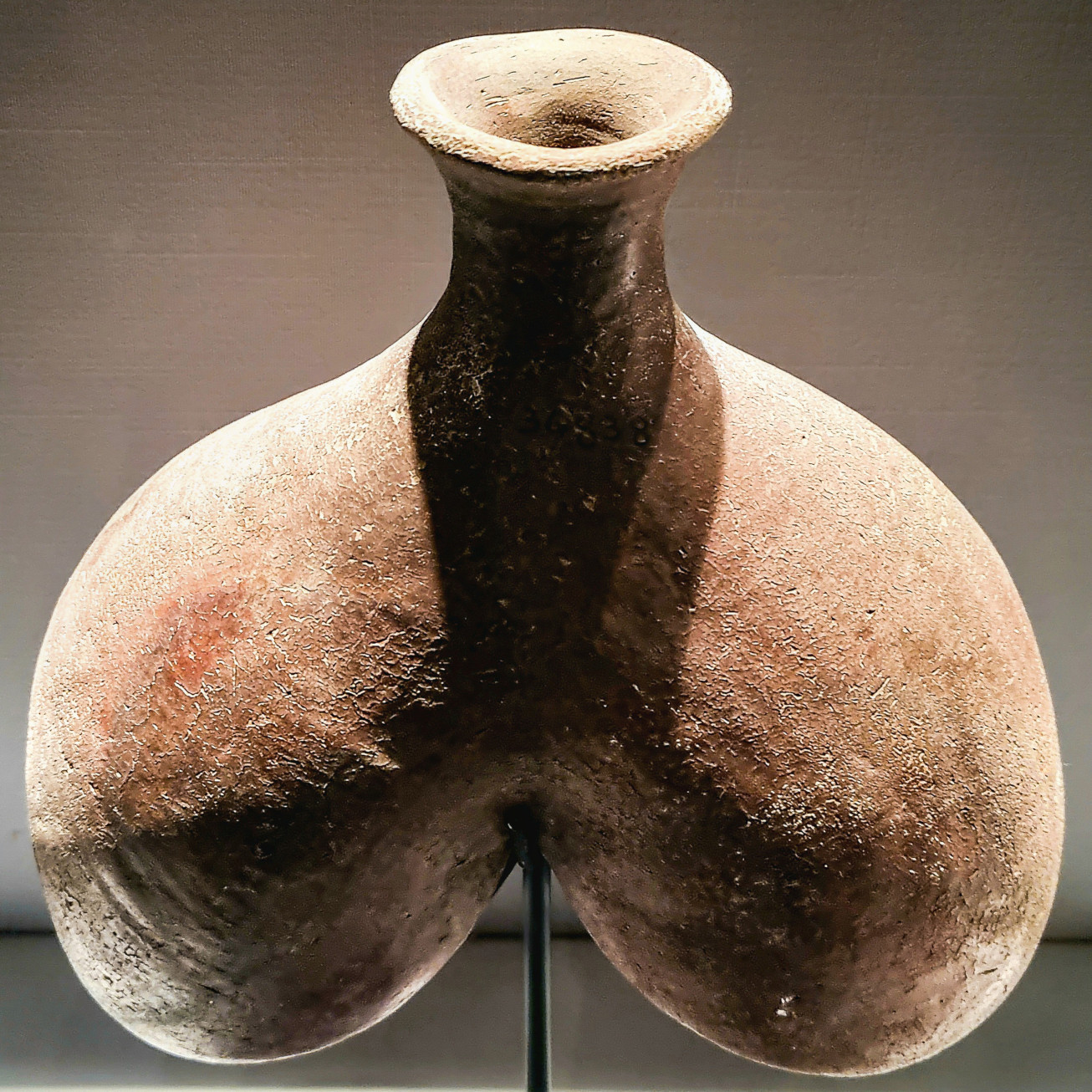
Pottery, Weapons, Tools, Scribes
It is no exaggeration to say that we owe most of our knowledge of ancient Egypt to the work of her scribes. The ancient Egyptians covered their temples and tombs with hieroglyphs, but they also employed scribes to record everything from the stocks held in the stores for workers to court proceedings. Scribes recorded magic…
-
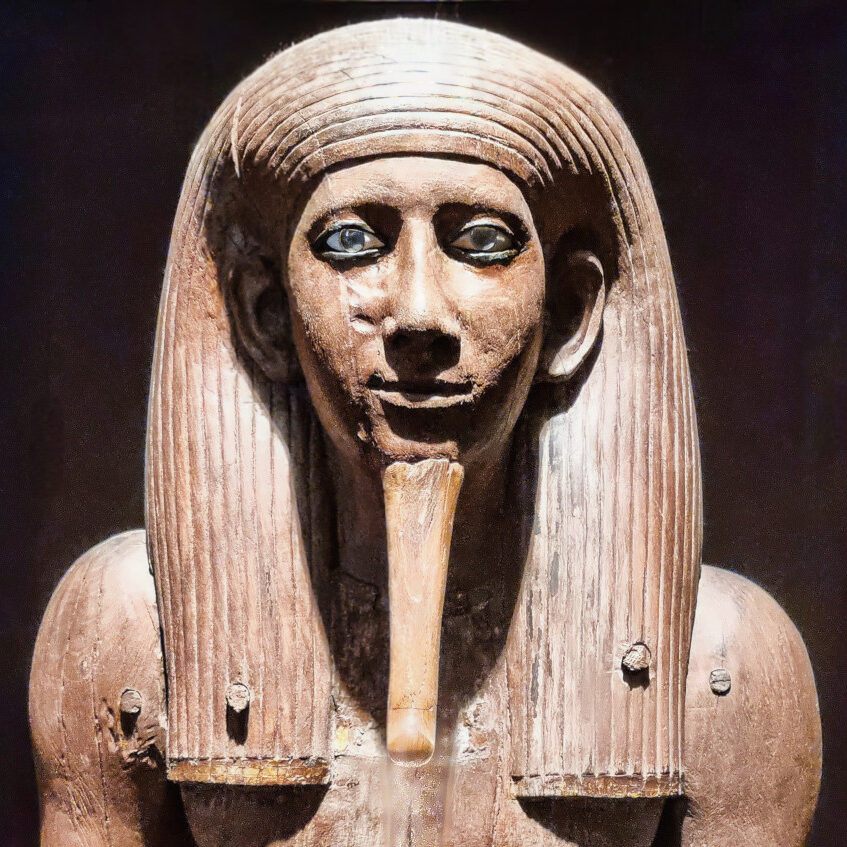
Pharaohs, Sphinxs, False Doors
The title “pharaoh” is used for those rulers of Ancient Egypt who ruled after the unification of Upper and Lower Egypt by Narmer during the Early Dynastic Period, approximately 3100 BC. However, the specific title was not used to address the kings of Egypt by their contemporaries until the New Kingdom’s 18th Dynasty, c. 1400…
-
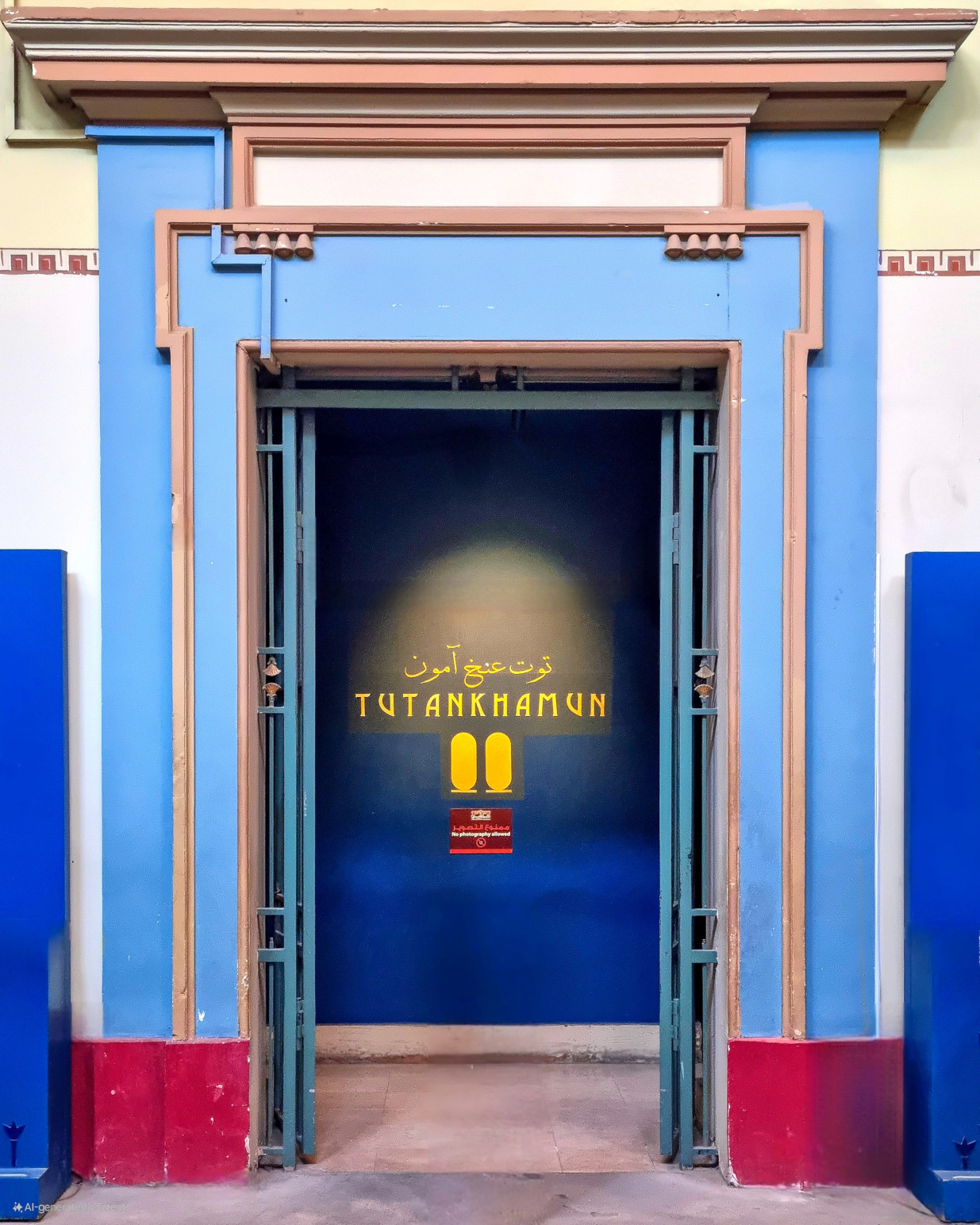
Tutankhamun
Tutankhamun 1341 BC – 1323 BC, was an ancient Egyptian pharaoh who ruled c. 1332 – 1323 BC during the late Eighteenth Dynasty of ancient Egypt. Born Tutankhaten, he was likely a son of Akhenaten, thought to be buried in KV55. His mother was identified through DNA testing as The Younger Lady buried in KV35; she…
-
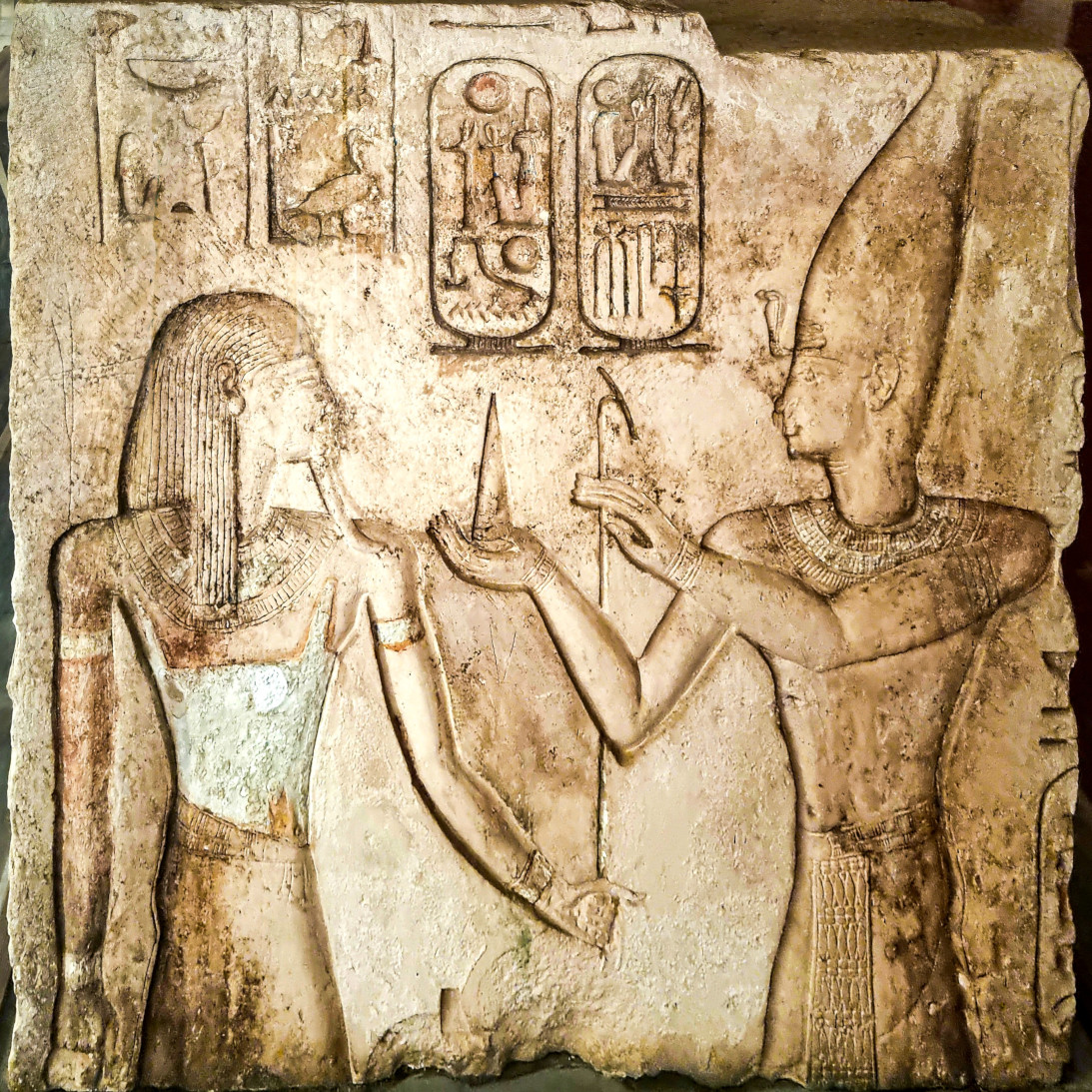
Dioramas, Panoramas, Ostracas, Special Gear
Wooden tomb models were deposited as grave goods in the tombs and burial shafts throughout ancient Egypt since its early history, most notably in the Middle Kingdom of Egypt. They included a wide variety of wooden figurines and scenes, such as boats, granaries, baking and brewing scenes and butchery scenes. These served as ways to…